IRCC French Verification Checks: How to Be Ready After Your TEF or TCF Result
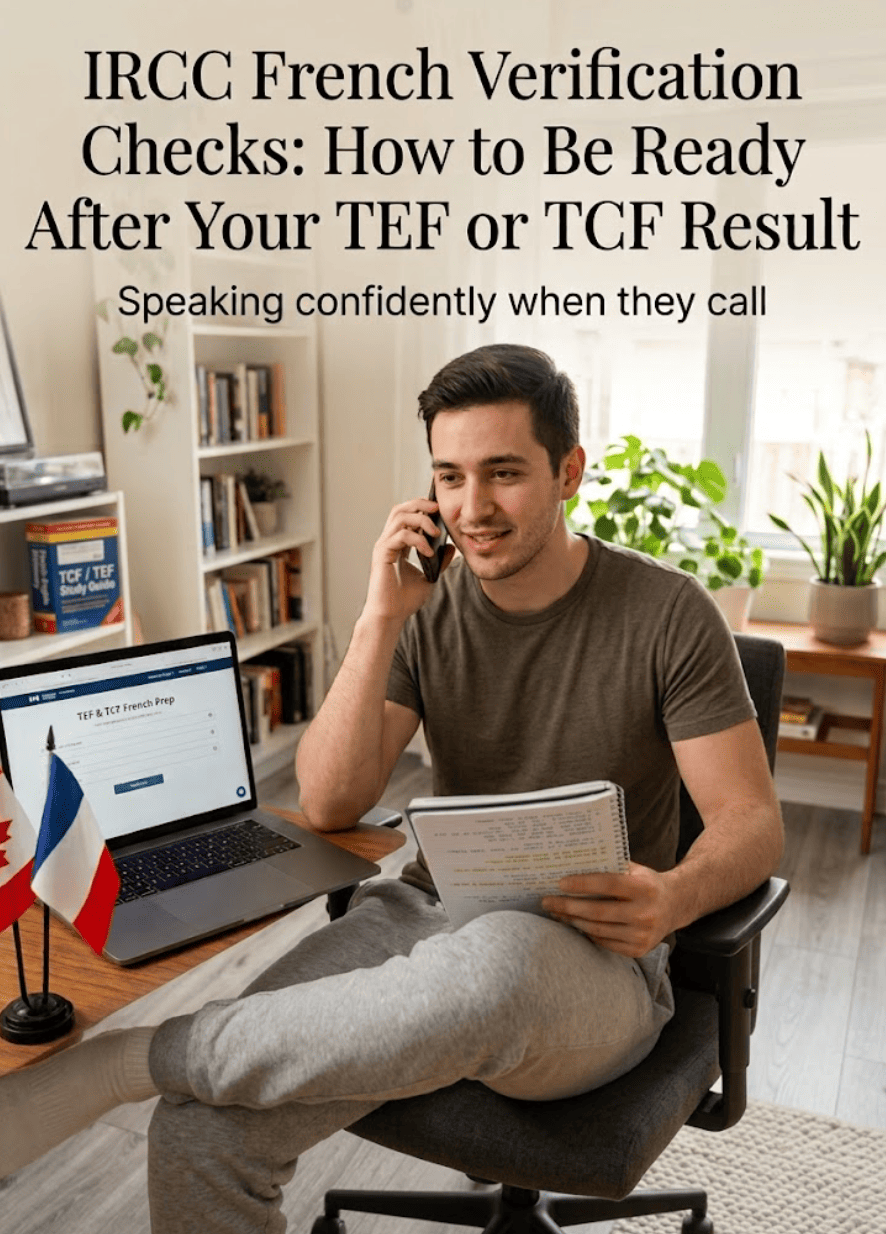
Some PR applicants report IRCC abruptly calling them for short French conversations or even an in-person interview, even after a successful TEF or TCF Canada result. Here is how to prepare for this situation and avoid IRCC punishment if you are planning to build real French skills for canada immigration.
Quick answer: Applicants report that IRCC sometimes calls PR candidates for a short, informal conversation in French to check that their language results match their real ability, even after a successful TEF Canada or TCF Canada result. If your score reflects real skills, there is nothing to fear; the best preparation is genuine, balanced practice in all four skills, especially speaking.
This article is based on reports from applicants and is general information, not legal or immigration advice. IRCC practices change, so confirm current requirements on the official IRCC website or with a licensed immigration professional.
What applicants are reporting
- Unscheduled phone calls. Some candidates say they received a call, often without warning, in which the officer simply began speaking in French.
- Short, casual conversations. The calls are described as lasting around 10 minutes and staying with everyday topics, not exam-style questions.
- Different programs. Reports come from people in Express Entry, Quebec and other immigration streams.
- On-site Interviews: Some candidates also have reported for being called for on-site, in-person interviews in Montreal and other cities.
Why might some candidates be called?
To our knowledge IRCC has not published a public policy explaining who is selected, so this is based on what applicants observe. The recurring theme is a large gap between skills: for example, very high listening and reading scores combined with a very low speaking score. A lopsided profile like that can look as though the result does not reflect real ability, and some applicants believe this is what triggers a check.
The purpose appears to be verification: confirming that the score matches the person's real French. Misrepresenting language ability in an application is taken seriously and can carry heavy consequences, including a multi-year bar from applying.
What this means if you earned your score honestly
If you genuinely speak French at the level your result shows, a casual conversation should not be a problem. The checks matter most for scores that are not backed by real ability.
How to prepare
- Build all four skills evenly. Reading and listening can be developed from a screen, but speaking only improves by speaking. A balanced profile is safer, and far more useful for daily life in Canada.
- Practice real conversation, not scripts. A check, if you get one, is about everyday topics: work, family, where you live, your plans. Memorized exam answers will not help much. Our guide to practicing for the TEF and TCF speaking and writing sections has methods you can use every week.
- Keep your evidence. Hold on to your test certificates, course records and completion certificates in an organized folder.
- Stay calm and answer in French. If a call comes, take a breath, listen carefully and answer simply. A short, natural conversation is all it needs to be.
How BBarters helps you build real speaking confidence
Our TEF TCF Online French Program has around 20 live speaking practices placed throughout the courseware, so you start speaking from the very beginning. Once you progress to A2 level by earning XPs, you can also purchase our Weekly French Conversations sessions: 1-hour live group sessions held over the weekend and designed and moderated by BBarters, sold as a set of TEN.
Not in the program yet? Take our French Level Assessment to see where you stand. A score of A2 level makes you eligible to purchase the conversation sessions.